
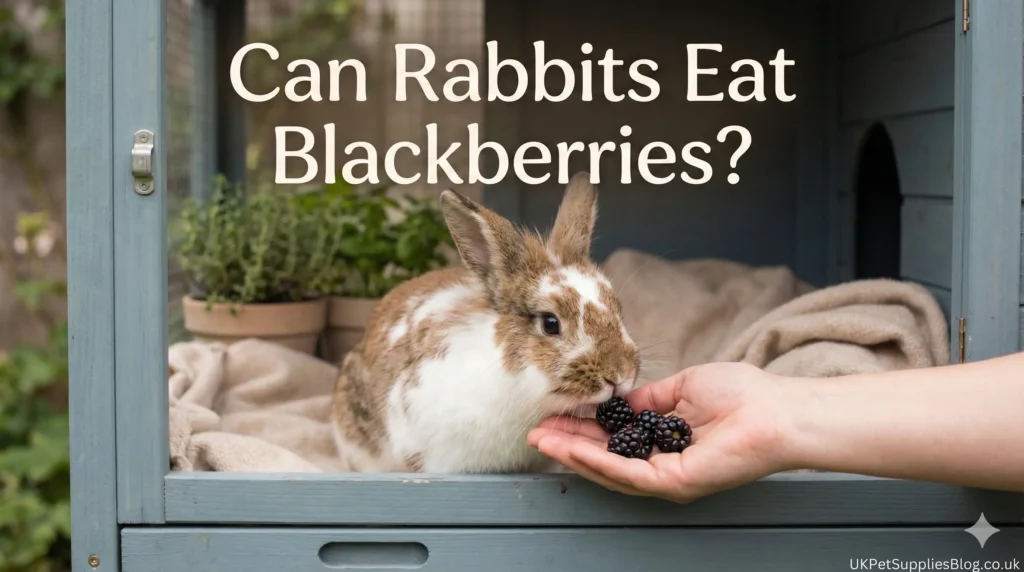

Your rabbit is gazing up at you with those adorable eyes whilst you’re enjoying a punnet of fresh British blackberries. You’re tempted to share, but you pause and wonder—are blackberries safe for my bunny? The short answer is yes, but there’s quite a bit more to know before you start sharing this tasty treat.
Are Blackberries Safe for Rabbits?
Blackberries are perfectly safe for rabbits to eat, including the berries themselves, leaves, and even stems. However, whilst they aren’t toxic, moderation is absolutely crucial. These sweet berries are high in natural sugars, which means too many can upset your rabbit’s delicate digestive system.
Veterinary toxicologists confirm that blackberries won’t poison your rabbit, but excessive consumption can lead to digestive issues that might require a costly trip to your local vet. Think of blackberries as an occasional indulgence rather than a dietary staple.
How Many Blackberries Can Your Rabbit Eat?
When it comes to portion control, less is definitely more. Veterinary guidance suggests offering one teaspoon of fruit per two pounds of body weight per week. For blackberries specifically, this translates to:
- One to two blackberries, two or three times weekly
- A maximum of one tablespoon of fruit per 5 pounds of body weight
- 25 grams (roughly one serving) if your rabbit weighs about 2kg
Remember, if you’re offering multiple types of fruit throughout the week, the total amount across all fruits should stay within these guidelines—not per fruit type.
Health Benefits of Blackberries for Rabbits
Blackberries aren’t just a tasty treat; they pack some genuine nutritional benefits for your bunny:
Vitamin C and Antioxidants: These support your rabbit’s immune function and help combat cell damage. Particularly important during the colder British months when rabbits may be more susceptible to illness.
Dietary Fibre: Blackberries contain fibre that aids digestion and promotes healthy gut function. However, hay should always remain the primary fibre source in your rabbit’s diet.
Essential Minerals: They provide calcium, potassium, and iron, which support bone health, muscle function, and blood health.
Low Calorie Content: At just 0.05MJ per 25g serving, blackberries are relatively low in energy compared to other fruits.
Can Rabbits Eat Blackberry Leaves and Stems?
Here’s brilliant news for UK rabbit owners with blackberry bushes in their gardens: the leaves and stems are actually better for your rabbit than the berries themselves.
Blackberry leaves have been used traditionally for their health benefits and contain excellent properties for rabbits:
- Astringent properties: Help with gut regulation and strengthen the digestive tract
- High in beneficial fibre: Great for dental health and digestion
- Antimicrobial properties: May help protect against harmful bacteria
- Rich in tannins and flavonoids: Provide additional health support
You can offer a small handful of blackberry leaves daily as part of your rabbit’s varied green diet. They’re particularly brilliant for rabbits with sensitive tummies. Don’t worry about the thorns—rabbits manage them just fine.
Many UK rabbit owners forage for wild blackberry brambles (Rubus fruticosus) from hedgerows during summer and dry them for winter feeding. Just ensure they haven’t been treated with pesticides.
Potential Risks of Feeding Blackberries to Rabbits
Whilst blackberries are safe, there are several important considerations:
1. High Sugar Content
The main concern with blackberries is their natural sugar content. Too much sugar can disrupt your rabbit’s delicate gut flora, leading to diarrhoea, soft stools, or digestive upset. Rabbits have extremely sensitive gastrointestinal tracts, and even minor imbalances can become serious.
2. Weight Gain and Obesity
Regular overfeeding of sugary fruits contributes to obesity in rabbits. An overweight rabbit faces increased risks of dental disease, heart problems, and reduced mobility. If your rabbit is already carrying extra weight, avoid fruit treats altogether.
3. Only Feed Ripe Berries
Avoid unripe blackberries (those that aren’t deep purple or black in colour). Unripe berries contain mild compounds that may cause stomach upset. Similarly, overripe or fermented berries found on the ground can make your bunny nauseated or cause diarrhoea.
4. Always Wash Thoroughly
Whether you’ve picked blackberries from your garden or bought them from Tesco, Sainsbury’s, or a local farmers’ market, always wash them thoroughly. Pesticides, bacteria like E. coli, or bird droppings can contaminate berries.
The most effective washing method uses baking soda: mix one teaspoon with four cups of water, soak the berries for 15 minutes, then rinse under running water. Research shows this method removes up to 90% of pesticide residues.
How to Introduce Blackberries to Your Rabbit’s Diet
Rabbits have sensitive digestive systems, so introducing any new food requires a gradual approach.
Step 1: Start with a tiny piece—perhaps half a blackberry—and monitor your rabbit closely for 24-48 hours.
Step 2: Watch for any signs of digestive upset, including soft stools, diarrhoea, reduced appetite, or lethargy.
Step 3: If your rabbit tolerates the small amount well, you can slowly increase to one or two berries over the next few weeks.
Step 4: If diarrhoea occurs, immediately remove blackberries and don’t offer them again for at least two weeks whilst their gastrointestinal tract recovers.
What Should the Bulk of Your Rabbit’s Diet Consist Of?
The RSPCA, PDSA, and leading UK veterinary organisations agree on the ideal rabbit diet breakdown:
- 85-90% hay and fresh grass: This should be the cornerstone of your rabbit’s diet. Provide at least a bundle as big as your rabbit daily.
- 10% fresh leafy greens and herbs: A large handful (ideally five to six different types) daily, such as kale, spinach, parsley, mint, and dandelion leaves.
- 5% quality pellets: Just a tablespoon of nuggets daily for rabbits under 3.5kg, or twice daily for larger rabbits.
- Treats (including fruit): Maximum 5% of total diet, offered once or twice weekly.
High-quality feeding hay is essential—92% of UK vets recommend brands like Burgess Excel, which offers timothy hay and various feeding nuggets specifically formulated for British rabbits.
Alternative Healthy Treats for Rabbits
If you’re looking to add variety to your rabbit’s treat rotation beyond blackberries, consider these UK rabbit-safe options:
Other Safe Berries:
Other Safe Fruits:
Leafy Greens (better daily options):
Foods to Avoid Completely
Certain foods are toxic or dangerous for rabbits and should never be offered:
- Chocolate (toxic, potentially fatal)
- Avocado (can be deadly)
- Iceberg lettuce (contains harmful lactucarium)
- Onions, garlic, and chives (cause gastric upset)
- Apple seeds and stone fruit pits (contain cyanide)
- Potatoes (contain toxic solanine)
- Yogurt drops and dairy products
- Muesli-style rabbit food
Seasonal Considerations for UK Rabbit Owners
British blackberries are typically in season from July through September. During these summer months, you might be foraging in hedgerows or picking from your garden.
Summer Tips:
- Fresh blackberries make excellent hydrating treats on hot days
- Wash and freeze ripe berries to offer throughout the year
- Forage for wild brambles but ensure they’re pesticide-free
Winter Considerations:
- Dried blackberry leaves make nutritious winter forage
- Rabbits naturally eat more during winter to build fat reserves
- Continue offering occasional frozen blackberries as treats
Signs Your Rabbit May Be Eating Too Many Blackberries
Watch for these warning signs that indicate you should reduce or eliminate fruit treats:
- Soft, sticky faeces (often mistaken for diarrhoea)
- Decreased appetite for hay and pellets
- Weight gain or obesity
- Lethargy or reduced activity
- Actual diarrhoea (fluid, red-tinged faeces)
- Teeth grinding or hunched posture indicating abdominal pain
If your rabbit shows any of these symptoms, stop all fruit treats immediately and contact your vet if symptoms persist.
Can Wild Rabbits Eat Blackberries?
Wild rabbits in the UK do occasionally nibble on blackberry bushes they encounter in hedgerows and gardens. However, wild rabbits primarily eat grasses, clover, and other plants, with fruits making up only a tiny portion of their natural diet.
The difference between wild and domestic rabbits is significant: wild rabbits have constant access to varied vegetation and are far more active, whilst pet rabbits rely on us to provide appropriate portions.
Final Thoughts
Blackberries are a safe, nutritious treat that most rabbits thoroughly enjoy. The key is moderation—one or two berries a few times weekly won’t harm your bunny and can provide beneficial vitamins and antioxidants.
However, remember that no amount of fruit can replace the essential foundation of your rabbit’s diet: unlimited high-quality hay, fresh water, daily leafy greens, and a small serving of quality pellets. Brands like Burgess Excel, Supreme, and Science Selective are all excellent choices available from UK pet shops.
The leaves and stems of blackberry plants are actually more beneficial than the fruit itself and can be offered more generously. If you have pesticide-free brambles in your garden, they’re wonderful for foraging and enrichment.
By following these guidelines, you can safely share this quintessentially British summer berry with your beloved bunny whilst keeping them healthy and happy. For more advice on rabbit nutrition and care, consult your local veterinary practice or organisations like the RSPCA and PDSA.