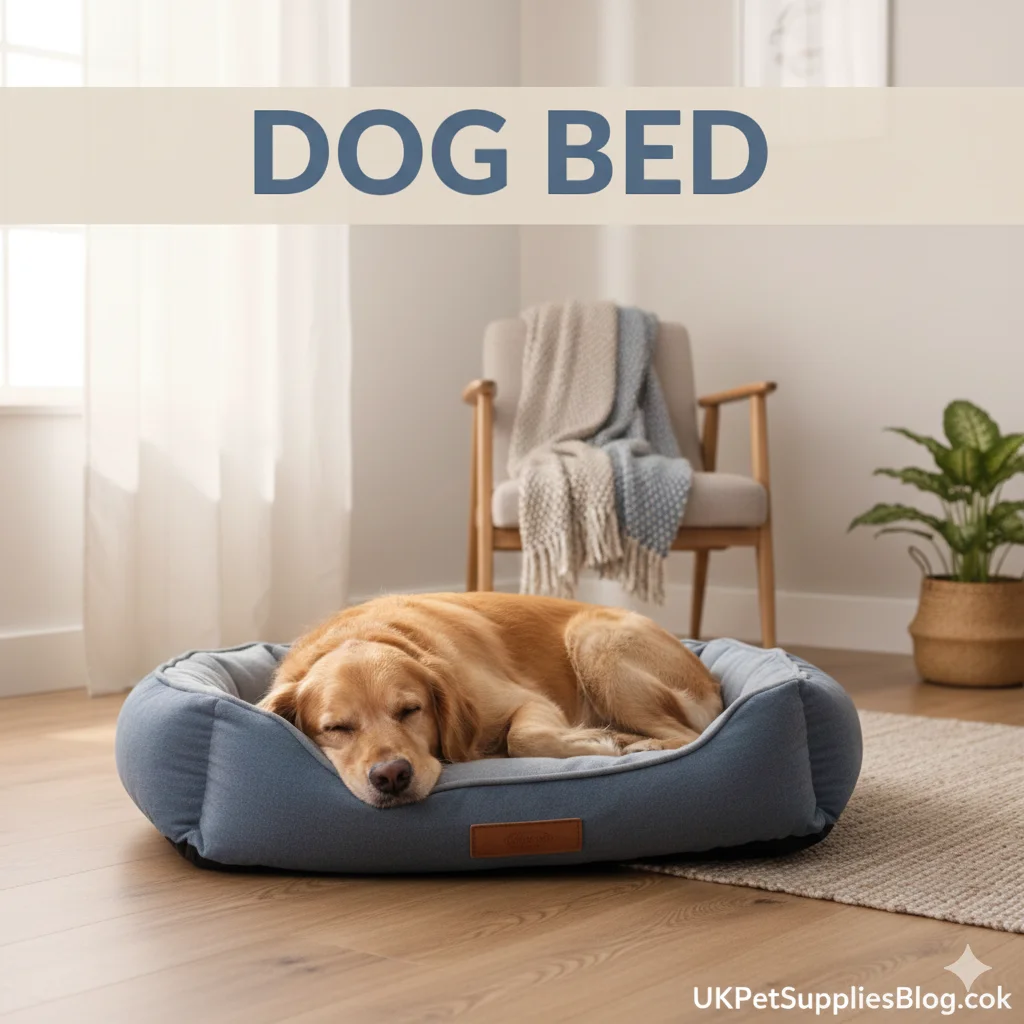

If you’ve ever watched your dog circle around a spot on the carpet before finally settling down, you know how important comfort is for your furry friend. A quality dog bed isn’t just a luxury—it’s essential for your pet’s physical health, mental wellbeing, and quality of sleep. Yet choosing the right one feels overwhelming with the countless options available across the UK, from Pets at Home to B&M, Amazon to specialist retailers like Baker & Bray and Omlet.
This comprehensive guide covers every question you have about finding the perfect dog bed for your household, whether you need an orthopaedic option for a senior dog, a cosy cave bed for an anxious pup, or a tough, washable mattress for your muddy adventurer. Let’s explore what vets recommend and what sleeping science tells us about canine comfort.
What Do Vets Recommend in a Dog Bed?
Veterinarians across the UK emphasise a few key features when recommending dog beds.
Orthopaedic Support Matters
Most vets suggest orthopaedic or memory foam beds, particularly for dogs with joint issues, arthritis, or those in their senior years. According to veterinary experts, the best orthopaedic beds contain either polyurethane memory foam or specialised orthopaedic foam that’s at least 2 inches thick. This foam moulds to your dog’s body, distributing weight evenly and reducing pressure on joints—crucial for older dogs or breeds prone to hip dysplasia.
Size and Shape Considerations
Vets emphasise that your dog’s bed must allow them to stretch out fully if they want to. A qualified veterinary nurse explained: “It’s important that your dog’s bed offers plenty of space to stretch out and lie flat. Also consider whether they’ll have enough room to move around whilst they are on the bed.”
Round beds with high sides are advised against by veterinary physiotherapists because they force dogs to sleep curled up, potentially causing back and joint issues over time.
Easy Entry and Exit
For older or mobility-challenged dogs, vets recommend lower-profile beds that don’t require a big jump or strain to get into. Many senior dogs benefit from beds with low-line designs, making it easier to rise without pain.
The Number One Rated Orthopaedic Dog Bed
When tested by experts across the industry, the Petfusion Ultimate Dog Lounge consistently earns top ratings for orthopaedic support. This bolster-style bed features a durable twill cover and a supportive memory foam mattress that earned high marks for support, comfort, and durability in extensive testing.
However, in the UK market specifically, Baker & Bray’s Luxury Orthopaedic Pet Bed has been crowned “Best Dog Bed of 2025” by The Telegraph for the third year running. What sets it apart is the use of eco-friendly materials—repurposed premium-grade memory foam for the central cushion, surplus textile fibres for bolsters, and recycled ocean-bound plastic for the outer cover.
For budget-conscious owners, the Bedsure Memory Foam Dog Bed offers excellent value. It features 6.4cm memory egg crate foam for orthopaedic support, a waterproof zipped liner to handle accidents, and removable, machine-washable covers.
Other top-rated options include:
- VetRelieve Ortholuxe – Designed by a vet with patent-pending orthopaedic foam technology
- Red Dog Classic Dog Bed – Telegraph’s choice for best orthopaedic option
- Omlet Bolster Bed – High-density memory foam with removable, washable covers
Do Dogs Prefer Soft or Hard Beds?
This is one of the most common questions, and the answer isn’t black and white—it depends entirely on your individual dog.
When Dogs Prefer Softer Beds
Small breeds typically enjoy softer beds that envelop them. Yorkshire Terriers, Chihuahuas, and Pomeranians often prefer the cosy, snuggling sensation of plush materials. Softer beds also provide warmth—crucial during Britain’s cold winters—and create a secure, nest-like environment that anxious dogs find comforting.
Senior dogs with joint problems also benefit from soft memory foam beds that cushion pressure points. The cushioning eases discomfort, allowing for more restful sleep and potentially reducing stiffness when they wake.
When Dogs Prefer Firmer Beds
Large breeds like Labradors, German Shepherds, and Great Danes benefit from firmer beds. Firmer support prevents sagging in the middle, which can stress joints and leave the dog feeling unsupported. A firmer surface also maintains proper spinal alignment.
Dogs in warm climates prefer firmer beds because they allow air circulation underneath, helping prevent overheating. Raised beds with firm bases are ideal for dogs who need to stay cool during hot UK summers.
Destructive Chewers Need Firmer Options
If your dog is prone to chewing, firmer beds with durable, reinforced covers are more likely to withstand the wear and tear. Soft, plushy beds simply won’t last.
How to Tell Your Dog’s Preference
Observe where your dog naturally chooses to rest:
- If they avoid plush furniture and prefer hard floors or rugs, they likely want a firmer bed
- If they dig and nest before lying down, they appreciate a soft, malleable surface
- If they wake up stiff or change positions frequently, a firmer orthopaedic bed might ease discomfort
Do Dogs Prefer Circle or Square Beds?
This question generates lots of debate among dog owners, and research shows the answer depends on your dog’s sleeping style and personality.
The Case for Circular Beds
Round doughnut beds are favoured by dogs that love to curl up. The raised circular edges provide a sense of security and protection, mimicking a natural den. This style is particularly popular for:
- Small breeds that like to nestle
- Dogs with anxiety or separation concerns
- Terriers, Dachshunds, and other naturally burrowing breeds
- Older dogs that benefit from the warmth retention
- Cold-sensitive dogs, especially during winter
The enclosed feeling helps anxious or recently rescued dogs feel safer and more settled. A Reddit poll of over 2,000 dog owners showed 43% preferred round beds for their dogs.
Benefits of Round Beds:
- Encourage curled sleeping posture
- Provide psychological security
- Excellent heat retention
- Ideal for nesting instincts
Drawbacks:
- Not suitable for dogs that sprawl out
- Limited size options for larger breeds
- Harder to clean thoroughly in crevices
The Case for Square Beds
Square or rectangular beds suit a different group of dogs entirely. They’re ideal for:
- Large or giant breeds that need full-length stretching
- Dogs that sleep sprawled out like Greyhounds or Boxers
- Multi-pet households where dogs share a bed
- Dogs with orthopaedic needs require full support
- Homes where space efficiency matters
Square beds also adapt better to placement alongside furniture, under tables, or against walls. Removable covers are generally easier to wash than circular designs with deep crevices.
Benefits of Square Beds:
- Accommodate all sleeping positions
- Better for larger breeds
- Easier to place in home spaces
- Simpler to clean with removable covers
Drawbacks:
- May feel less “cosy” to nesting dogs
- Not as effective at heat retention
- Less psychological security for anxious dogs
Hybrid Solutions
Many dogs actually benefit from having both options available. Some manufacturers, like Topology in the UK, offer customizable beds where you can mix and match bases, toppers, and bolsters to suit your dog’s changing needs.
Which Dog Bed is Best? A Look at Top Shapes and Styles
Beyond just round versus square, modern dog beds come in several distinct styles:
Bolster Beds
These feature 3-sided raised edges that provide head and neck support while allowing full access. Dogs can lean against the bolsters whilst lying flat, or curl up with the edges providing security. Bolster beds suit most sleeping styles and are excellent for dogs recovering from injury.
Doughnut or Nest Beds
These round beds with raised rims create a cosy, enclosed feeling. Perfect for anxious dogs and those that love to burrow, though less suitable for sprawlers.
Flat Mattress Beds
Simple, flat beds are ideal for large dogs or those that sleep stretched out. They offer maximum space and support without restricting movement.
Cave or Igloo Beds
These hooded, enclosed beds create a den-like environment. Excellent for anxious, nervous, or shy dogs. They’re particularly popular among UK owners during winter months when dogs seek warmth and security.
Collared Creatures, a UK-based firm, makes handmade cave beds that customers report help their dogs settle more quickly, sleep longer, and seem happier overall.
Raised or Elevated Beds
These beds lift your dog off the ground, allowing air circulation beneath. Ideal for warm weather, garden use, and dogs that benefit from better support when rising. Many are waterproof and weatherproof for outdoor use.
Memory Foam Beds
These specialised beds use memory foam technology that moulds to your dog’s body shape. The foam responds to heat and pressure, distributing weight evenly. Memory foam beds are popular for senior dogs and those with joint issues.
What Size Dog Bed Should You Buy?
Getting the size right is critical. Too small, and your dog can’t stretch out comfortably. Too large, and it doesn’t provide the cosy security smaller dogs seek.
Size Guidelines by Dog Weight
Extra Small (for toy breeds, under 10 lbs): 46cm x 33cm
- Examples: Chihuahuas, Pomeranians, Yorkshire Terriers
Small (11-25 lbs): 63-90cm
- Examples: Miniature Poodles, Lhasa Apsos, French Bulldogs, West Highland Terriers
Medium (26-40 lbs): 90-105cm
- Examples: Beagles, Miniature Schnauzers, Cavalier King Charles Spaniels
Large (40-65 lbs): 105-120cm
- Examples: Cocker Spaniels, smaller Labradors
X-Large (51-100 lbs): 120cm+
- Examples: Basset Hounds, Welsh Corgis, English Springer Spaniels, Boxers
XXL (over 91 lbs): 130cm+
- Examples: Alaskan Malamutes, Bernese Mountain Dogs, Great Danes, Mastiffs
The Measurement Method
Don’t just guess. Measure your dog whilst they sleep:
- Watch them in their natural sleeping positions—most dogs cycle through multiple positions
- Measure their nose to tail when fully stretched
- Measure their width when curled up
- Add at least 10-15cm in each direction for comfort
Your dog should be able to curl up AND stretch out without their limbs hanging over the edge.
What Kind of Bed is Best for Dogs? Feature Checklist
Beyond shape and size, consider these practical features:
Removable, Washable Covers
Essential for UK dogs dealing with mud, rain, and the occasional accident. Look for machine-washable covers with zips, not permanently attached fabric. Omlet beds are renowned for their removable, machine-washable covers that look fresh even after months of use.
Waterproof Linings
A waterproof inner liner protects the memory foam from accidents, spills, and muddy paws. Many UK owners with working dogs or garden-loving pups prioritise this feature. Paws Plus One specialises in waterproof dog beds ideal for wet, muddy British weather.
Water-Resistant Materials
Outdoor dog beds need water-resistant fabric that can be hosed down. Danish Design’s County dog bed range offers tough, durable, waterproof fabric ideal for active dogs.
Non-Slip Bases
A non-slip bottom prevents the bed from sliding around on hard floors, keeping it stable and safe for older dogs with balance issues.
Breathable Materials
Especially important during British summer heatwaves. Look for beds with cooling gel or breathable fabrics that prevent heat trapping.
Bolster Height and Design
Bolsters should be high enough to provide support without making it difficult for dogs—especially seniors—to enter and exit.
Thickness and Density
For orthopaedic beds, foam should be at least 2 inches thick. Baker & Bray uses premium-grade memory foam that provides superior support compared to thinner alternatives.
How Much Should You Spend on a Dog Bed?
Budget dog beds start around £15-20 at B&M and Argos. Mid-range options cost £40-80, whilst premium orthopaedic beds reach £150-300+.
Value at Different Price Points
Budget (£15-40):
Available at B&M, Argos, and Pets at Home. Basic comfort, suitable for young, healthy dogs without joint issues. Limited durability.
Mid-Range (£50-100):
Memory foam options, machine-washable covers, and good durability. Suits most UK households. Examples: Bedsure beds, some Omlet styles, Baker & Bray starter range.
Premium (£100+):
Advanced orthopaedic foam, eco-friendly materials, superior durability, vet-designed. Examples: Baker & Bray Luxury, VetRelieve Ortholuxe, Petfusion Ultimate Lounge, Get Laid Large Wooden beds.
The Value Perspective
A vet-recommended orthopaedic bed costing £150 that lasts 5-7 years equals roughly £3-4 per week. Compare that to potential veterinary costs from joint problems, arthritis pain, or sleep-related health issues in senior dogs, and quality beds represent genuine value.
Where to Buy Dog Beds in the UK
High Street Retailers
- Pets at Home – Widest selection, regular Pets Club discounts (25-50% off selected items)
- B&M Stores – Budget-friendly, wide range from basic to mid-range
- Argos – Good variety with home delivery or click-and-collect
- TK Maxx – Discounted designer beds up to 60% off RRP
Specialist Online Retailers
- Baker & Bray – Premium UK-made orthopaedic beds
- George Barclay – Luxury memory foam options
- Omlet – High-quality, customizable beds
- VetRelieve – Vet-designed orthopaedic beds
- Paws Plus One – Waterproof and outdoor specialists
- Collared Creatures – Handmade cave beds, UK-based
Online Marketplaces
- Amazon UK – Extensive range, Prime delivery
- eBay UK – New and second-hand options
Dog Bed Materials and Construction Explained
Memory Foam
Polyurethane memory foam responds to heat and pressure, moulding to your dog’s body shape. Higher-density foam lasts longer than lower-quality alternatives. Expect genuine memory foam beds to be heavier and more durable.
Orthopedic Foam
Specialised foam engineered specifically for joint support. Often denser than standard memory foam. Pressure-tested to ensure effectiveness (VetRelieve uses patent-pending technology).
Microsuede and Faux Fur
Soft, comfortable, and often water-repellent. Stain-resistant materials hide dirt well. Ideal for indoor dogs. Snoozer’s Cosy Cave beds use microsuede and Sherpa interiors, praised for durability.
Cotton Blends and Natural Fabrics
Eco-friendly options like Baker & Bray’s recycled materials offer sustainability without compromising comfort.
Polyester Hollowfibre Filling
Lower-cost filling that provides soft comfort but less support. Dogs sink into these beds more. Suitable for small dogs that don’t require orthopaedic support.
Dog Bed Placement and Your Home
Where you place the bed matters as much as what you choose:
Best Locations:
- Away from direct sunlight (prevents overheating)
- Draught-free spots (critical during winter)
- Near but not in the centre of family activity (gives your dog choice)
- Temperature-stable areas
- Away from kitchen heat sources and radiators
Multiple Beds:
The RSPCA recommends providing at least one bed per dog, plus an extra if possible. One in a quiet rest area and one in the living space lets your dog choose depending on mood and need.
Seasonal Adjustments:
The UK weather changes dramatically. Rotate between cosy, warm beds in winter and cooling mats or lighter beds in summer.
Special Considerations for Different Dog Types
Puppies
Puppies need smaller beds they’ll eventually outgrow, or larger beds they can grow into. Washable covers are essential. Avoid premium memory foam beds until skeletal development completes (typically 12-18 months). The Really Tough Tuffie at Argos is a popular puppy bed.
Senior Dogs
Orthopaedic support becomes crucial. VetRelieve and Baker & Bray excel here. Low-entry designs reduce strain. Extra cushioning eases joint pain. Some senior dogs sleep 16+ hours daily, so comfort investment pays dividends.
Large Breeds
Extra-large or XXL beds prevent sagging and joint stress. Veehoo’s extra-large Classic style supports dogs weighing up to 68kg. Firm surfaces are often better than plush options.
Working and Outdoor Dogs
Waterproof, durable beds from Paws Plus One or Danish Design handle mud and wet. Raised beds keep them off damp ground. Easy-to-hose-down surfaces are invaluable.
Anxious or Rescue Dogs
Cave beds, doughnut beds, or high-walled options provide security. Sherpa or soft interiors feel comforting. The raised rims offer a sense of protection. Many rescue owners report their dogs settle faster with cave-style beds.
Dog Bed Maintenance and Cleaning
Washing Removable Covers
Most machine-washable covers should be washed in cool water. Air dry rather than tumble dry to preserve elasticity. Regular washing prevents smell and bacterial build-up.
Spot Cleaning
Address accidents immediately with enzyme-based cleaners designed for pet urine.
Waterproof Liners
Zipped waterproof liners protect the filling. These can usually be wiped clean or hand-washed.
Overall Care
Vacuum beds regularly to remove hair and dust. Rotate beds if you have multiple to spread wear. In British damp weather, ensure beds dry completely to prevent mildew.
Final Thoughts on Choosing Your Dog’s Bed
The perfect dog bed balances your dog’s preferences, your home’s practical needs, your climate (UK weather varies dramatically), and your budget. No single bed suits every dog—but by observing your individual dog’s sleeping habits, considering veterinary recommendations, and matching features to needs, you’ll find the right fit.
Your dog spends roughly one-third of their life sleeping. That investment in comfort—whether you’re choosing a budget-friendly option from B&M or a premium Baker & Bray orthopaedic bed—directly impacts their physical health, mental wellbeing, and quality of life.
Start by measuring your dog in their natural sleeping positions. Observe whether they curl up, stretch out, prefer warmth, or need cooling. Consider their age, health, and any specific needs. Then explore options across price points from your preferred retailers. Many offer returns or trial periods—don’t hesitate to test options.
Your happy, well-rested dog will thank you.
For more guidance on dog care and comfort, explore our other pet care guides covering nutrition, training, and enrichment for thriving British dogs.