
Introduction
Standing in the pet food aisle and wondering if you are making the right choice is something almost every UK cat owner experiences. With shelves full of brands, bold health claims and conflicting advice online, it is hard to know what is genuinely best. If you have ever asked your vet for clarity, you are not alone. This article focuses on vet-recommended cat food UK owners trust, based on real veterinary advice, UK feeding habits and common health concerns seen in British cats. By the end, you will understand what vets actually look for in cat food and how to choose confidently for your own cat.
What cat food do vets recommend in the UK?
UK vets do not usually promote one single brand for every cat. Instead, they recommend foods that meet specific nutritional standards and suit the individual cat.
Most vets in the UK look for food that is complete and balanced under FEDIAF guidelines. This ensures the food contains the correct levels of protein, fats, vitamins and minerals for cats living in the UK climate and lifestyle.
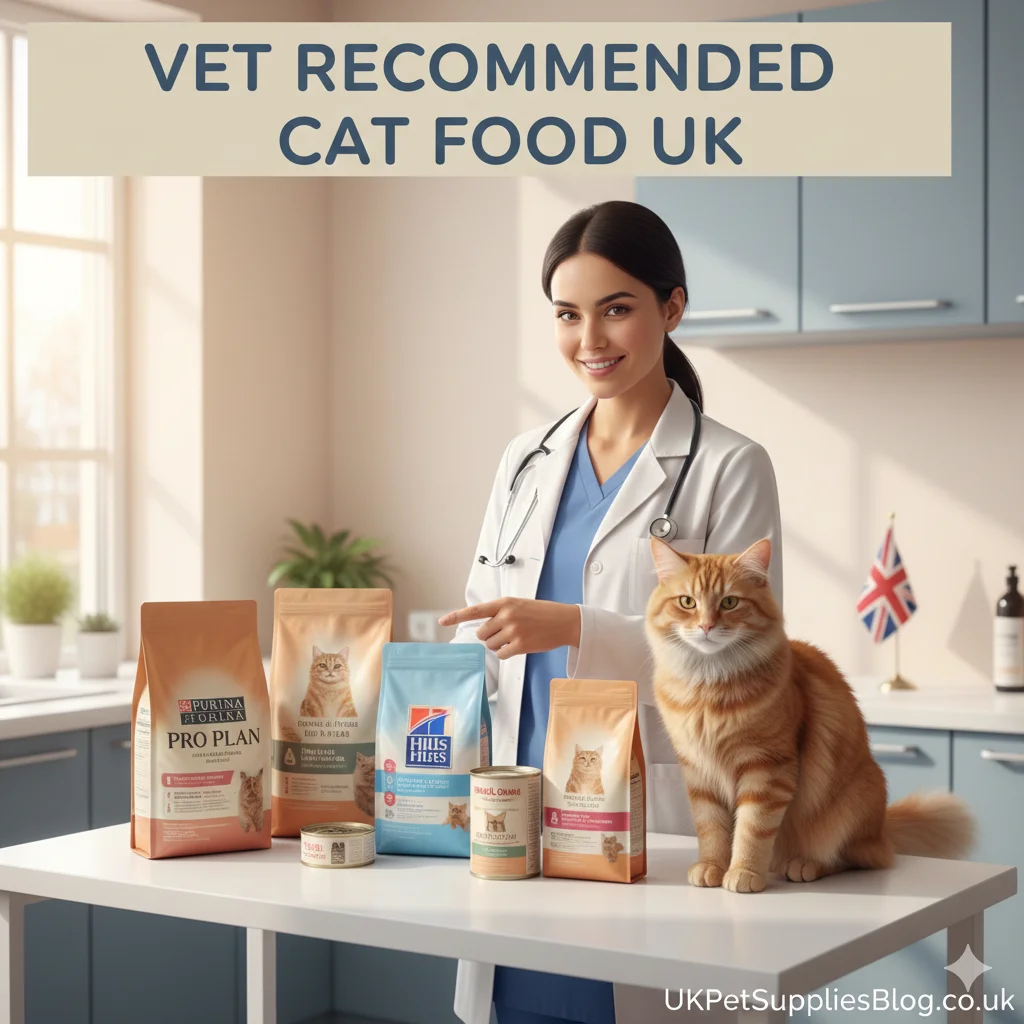
Well-known vet recommended cat food UK brands often include Royal Canin, Hill’s Science Plan, Purina Pro Plan and certain ranges from Lily’s Kitchen. These brands invest heavily in veterinary research and feeding trials.
What do veterinarians look for in a healthy cat food?
High-quality animal protein
Cats are obligate carnivores. UK vets prioritise foods where meat or fish is clearly listed as the main ingredient. Chicken, turkey, salmon and lamb are common examples.
Clear ingredient lists
Vets advise avoiding foods with vague terms like meat derivatives without explanation. Clear labelling gives confidence in what your cat is eating.
Appropriate fat and carbohydrate levels
Indoor cats in UK households are often less active, especially during colder months. Vets recommend moderate fat levels and controlled carbohydrates to prevent weight gain.
No unnecessary additives
Artificial colours, flavours and excess sugars are common red flags for vets in the UK.
What is the healthiest cat food in the UK?
The healthiest cat food depends on your cat’s age, lifestyle and health.
For healthy adult cats, vets often recommend complete wet or dry foods with high meat content and minimal fillers. Many UK vets favour wet food due to its higher moisture content, which supports urinary and kidney health.
For cats prone to health issues, prescription diets from veterinary practices may be the healthiest option.
Vet-recommended cat food UK for indoor cats
Indoor cats are one of the most common groups seen in UK vet clinics.
Why indoor cats need specific food
Indoor cats burn fewer calories and are more prone to weight gain and hairballs. UK vets often recommend indoor-specific formulas that support digestion and weight control.
Brands like Royal Canin Indoor and Hill’s Indoor Cat are frequently suggested by vets due to their tailored fibre and calorie content.
Vet-recommended cat food UK for kittens
Kittens have very different nutritional needs.
What vets recommend for kittens
UK vets advise feeding kittens food specifically labelled for growth. These foods are higher in protein, calories and essential nutrients like DHA for brain development.
Popular vet-recommended kitten foods in the UK include Royal Canin Kitten, Hill’s Science Plan Kitten and Purina Pro Plan Kitten.
Kittens should never be fed adult cat food long-term.
Vet-recommended senior cat food UK
As cats age, their needs change.
Common senior cat concerns in the UK
Older cats often develop kidney disease, dental issues and reduced appetite. UK vets recommend senior formulas that are easier to chew, lower in phosphorus and rich in high-quality protein.
Wet food becomes especially important for senior cats to maintain hydration.
Best cat food for IBD, UK vet recommended
Inflammatory bowel disease is increasingly diagnosed in UK cats.
What vets suggest for IBD
Most UK vets recommend hypoallergenic or limited ingredient diets. These often use a single protein source and avoid common allergens.
Prescription foods from Hill’s, Royal Canin and Purina are commonly used and should always be introduced under veterinary guidance.
Best cat food for pancreatitis, UK vet recommended
Pancreatitis requires careful feeding.
Vet advice for pancreatitis
UK vets usually recommend low-fat, highly digestible diets. Wet food is often preferred due to easier digestion and better hydration.
Never switch to a pancreatitis diet without consulting your vet first.
Best cat food for weight loss, UK vet recommended
Obesity is a growing problem among UK cats.
How vets approach weight loss
UK vets focus on calorie-controlled diets that still provide enough protein to maintain muscle mass. Prescription weight management foods are often recommended alongside measured feeding.
Avoid crash dieting as it can be dangerous for cats.
Can I feed my cat half wet and half dry food?
Yes, many UK vets support mixed feeding.
Benefits of mixed feeding
Wet food supports hydration, while dry food is convenient and helps with dental abrasion. The key is portion control and ensuring both foods are complete.
Always adjust quantities so you are not overfeeding.
Should I leave dry food out all day?
Most UK vets advise against free feeding.
Leaving dry food out all day often leads to overeating, especially in indoor cats. Scheduled meals help maintain a healthy weight and routine.
How much food per day should my cat eat?
This depends on age, weight and activity level.
Most UK cat food packaging provides guidelines, but vets recommend adjusting based on your cat’s body condition. If you are unsure, your local vet practice can calculate precise portions.
Is 2 pouches of wet food a day enough for a cat?
For many average-sized adult cats in the UK, two standard 85g pouches may be sufficient. However, some cats need more or less, depending on calorie content and activity level.
Always check the feeding guide and monitor weight.
What is the 25 rule for cat food?
The 25 rule refers to limiting treats to no more than 25 per cent of a cat’s daily calorie intake. UK vets often recommend even less to avoid weight gain.
What cat food should you stay away from?
UK vets commonly advise avoiding foods with excessive sugars, low meat content and unclear ingredients.
Very cheap supermarket brands with high cereal content are often discouraged for long-term feeding.
Whiskas or Felix, which is better?
This is a common question among UK cat owners.
Both brands meet minimum nutritional standards, but vets often note that their meat content and ingredient quality are lower than those of premium brands. Many UK vets recommend higher-quality alternatives if the budget allows.
Why are people avoiding Felix cat food?
Some owners report digestive issues or concerns about ingredient quality. While Felix is safe, vets often suggest monitoring your cat closely and switching if problems arise.
What are the top 5 healthiest cat foods in the UK?
While there is no official ranking, UK vets frequently mention the following as reliable options depending on the cat:
- Royal Canin
- Hill’s Science Plan
- Purina Pro Plan
- Lily’s Kitchen
- KatKin for fresh food feeding
Always choose the range that matches your cat’s life stage and health.
What is the silent killer of cats?
Kidney disease is often referred to as a silent killer in UK cats because symptoms appear late. Feeding high-moisture, vet-recommended cat food UK owners trust can help support long-term kidney health.
Conclusion
Choosing vet-recommended cat food UK cat owners rely on is about understanding your cat rather than chasing a single brand name. UK vets prioritise complete nutrition, quality ingredients and diets tailored to age and health. Whether you are feeding a playful kitten, an indoor adult or a senior cat, informed choices make a real difference. If you want to learn more, explore our other cat nutrition guides and practical feeding tips to keep your cat healthy for years to come.
Meta Description: Vet-recommended cat food UK advice from real vets. Learn which foods are healthiest for kittens, indoor cats and seniors in Britain.