
Introduction
Choosing the best dog food in the UK can feel overwhelming. Shelves are packed with dry, wet, raw, and tailored diets, all claiming to be the healthiest choice. As a UK dog owner, you also have to think about local vet advice, British labelling standards, and what actually suits your dog’s age, breed, and lifestyle. This article breaks down what really matters when picking dog food, explains what vets recommend, and answers the most common questions UK pet owners ask before changing their dog’s diet.
What Makes the Best Dog Food in the UK?
The best dog food in the UK provides balanced nutrition, clear ingredients, and meets FEDIAF standards. These standards ensure food contains the right levels of protein, fats, vitamins, and minerals for dogs living in the UK.
High quality dog food should list a named protein source such as chicken, lamb, salmon, or beef as the main ingredient. Avoid foods where vague terms like meat derivatives appear first on the label.
British weather also matters. Dogs here tend to be less active during wet winters, so calorie dense foods may not suit every dog year round.
What Dog Food Do UK Vets Recommend?
Most UK vets recommend brands that invest heavily in nutritional research and quality control. This often includes prescription and science based foods used in veterinary practices.
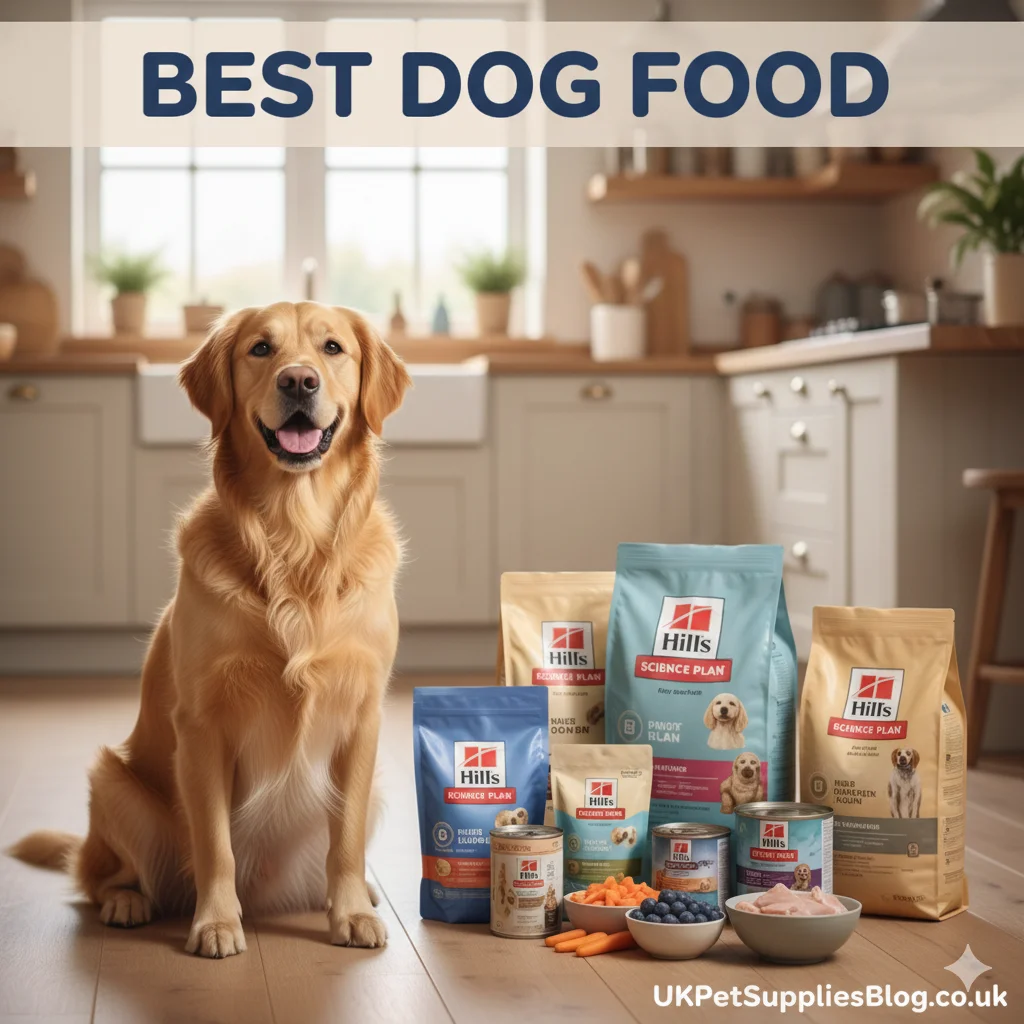
Well known vet recommended brands in the UK include Hill’s, Royal Canin, and certain specialist ranges designed for digestion, allergies, or joint health. These foods are often chosen because they are consistent, tested, and meet strict safety standards.
You can read more about one commonly recommended option in our detailed review of Hill’s Pet Nutrition dog food.
Is There One Healthiest Dog Food on the Market?
There is no single healthiest dog food for every dog. The best choice depends on your dog’s age, size, activity level, and health needs.
For example:
- Dogs with sensitive stomachs may benefit from limited ingredient or hypoallergenic diets.
- Older dogs often need lower fat food with added joint support.
- Puppies require higher protein and energy to support growth.
If your dog struggles with digestion, our guide on the best dog food for sensitive stomachs in the UK may help.
Dry, Wet, Raw or Tailored Dog Food: Which Is Best?
Best Dry Dog Food in the UK
Dry food is convenient, affordable, and supports dental health. Look for high meat content and minimal fillers.
Best Wet Dog Food in the UK
Wet food contains more moisture, which helps hydration. It suits dogs that struggle to chew or dislike dry kibble.
Best Raw Dog Food in the UK
Raw feeding appeals to some owners, but it requires careful handling and nutritional balance. It is not suitable for every household.
Best Tailored Dog Food in the UK
Tailored subscriptions adjust recipes based on your dog’s breed and lifestyle. These can work well for owners seeking convenience.
You can compare one tailored option in our review of Tails dog food.
Best Dog Food Brands in the UK
Popular and trusted dog food brands in the UK often focus on transparency and ingredient sourcing. Some are made locally, which appeals to owners who prefer British manufacturing standards.
When comparing brands, check:
- Protein source quality
- Clear feeding guidelines
- Reputation with UK vets
- Recall history
Avoid switching brands too often without reason, as this can upset digestion.
What Dog Foods Do Vets Not Recommend in the UK?
UK vets often advise avoiding dog foods that:
- Contain excessive artificial colours or preservatives
- Use unnamed meat by products as main ingredients
- Make exaggerated health claims without evidence
Cheap foods may meet legal standards but lack nutritional depth.
Best Dog Food for Specific Needs
Best Dog Food for Small Breeds
Smaller dogs benefit from smaller kibble sizes and higher energy density.
Best Dog Food for Dogs With Bad Teeth
Soft wet food or specially designed dental kibble can help.
Best Dog Food for Digestive Conditions
Dogs with IBS, IBD, or yeast infections often need veterinary guidance and controlled diets.
If your dog has ongoing health issues, always consult your vet before changing food.
Why Do Vets Often Recommend Royal Canin?
Royal Canin is widely recommended because it focuses on breed specific and condition specific nutrition. Vets value its consistency and research backing rather than marketing trends.
That said, it is not the only suitable option, and some dogs thrive on alternatives.
What Not to Feed Dogs in the UK
Avoid feeding dogs foods that are toxic or unsuitable, including chocolate, onions, grapes, cooked bones, and highly salted human foods. If you are unsure about safe treats, check out our article on whether dogs can eat blueberries.
How to Change Your Dog’s Food Safely
Always transition slowly over seven to ten days. Mix increasing amounts of the new food with the old to avoid stomach upset.
Watch for changes in:
- Stool quality
- Energy levels
- Coat condition
- Appetite
If problems persist, revert to the previous food and consult your vet.
Conclusion
Finding the best dog food in the UK is about understanding your dog’s individual needs rather than chasing trends. Look for balanced nutrition, trusted brands, and vet-approved standards. Whether you choose dry, wet, or tailored food, consistency and quality matter most.
Every dog is different, and what works brilliantly for one may not suit another. Age, breed, activity level, sensitivities, and even personality can influence how a dog responds to certain ingredients or textures. Taking the time to read labels, monitor energy levels, and notice changes in coat condition or digestion can help you fine-tune your choices over time. If you are ever unsure, a quick chat with your local vet or a qualified pet nutritionist can provide reassurance and prevent common feeding mistakes.
It is also worth remembering that feeding is not just about nutrition on paper. Portion control, regular mealtimes, and fresh water play a huge role in maintaining a healthy weight and supporting long term wellbeing. Transitioning slowly between foods can help avoid stomach upsets, and sticking with reputable UK brands that follow recognised safety and manufacturing standards adds another layer of confidence.
For more practical advice on caring for your dog, explore our other UK focused pet care guides and reviews across the site. From feeding tips to grooming routines and everyday health essentials, you will find straightforward information designed to help you make informed, confident choices for your four legged companion.