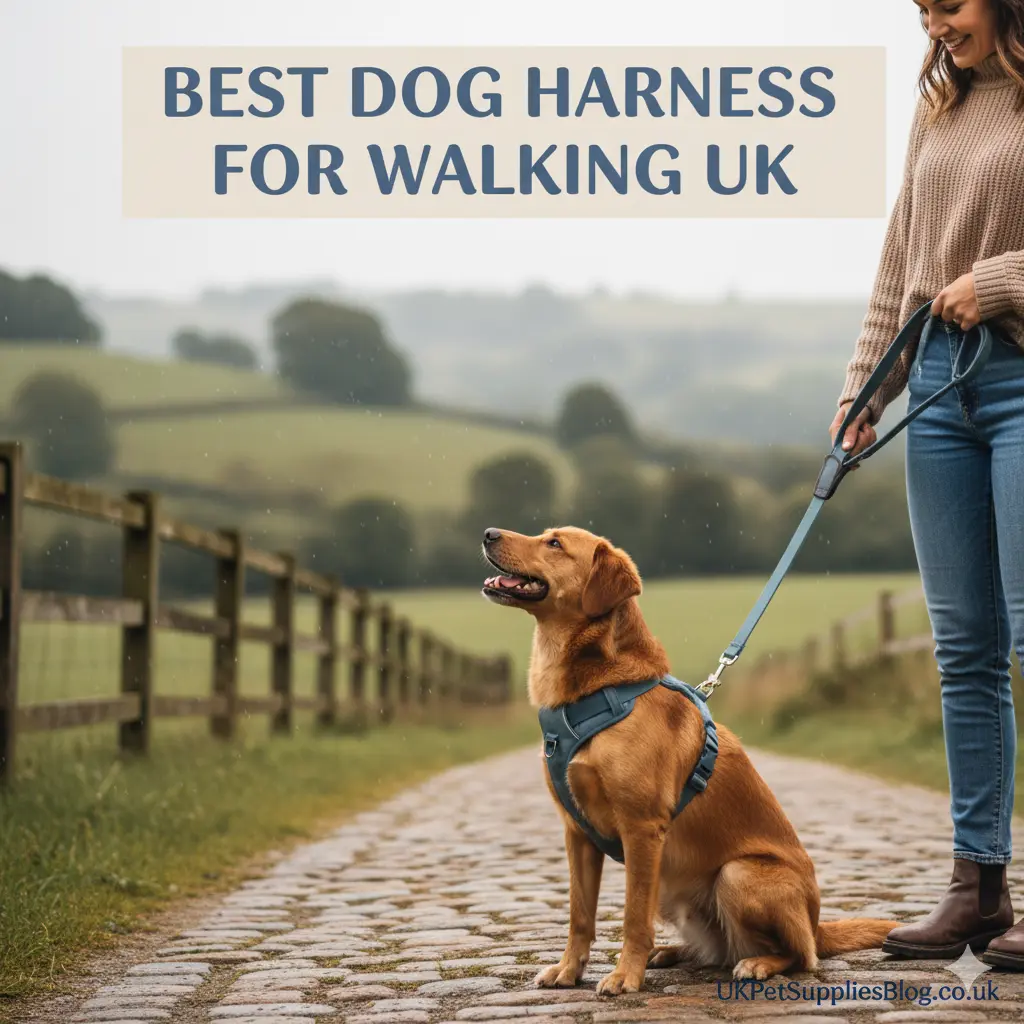

If you’ve wrestled with a tangled lead, a slipping harness, or a Labrador who thinks every walk is a sprint, finding the best dog harness for walking UK owners trust can transform daily outings for both of you. UK welfare experts, including the RSPCA, strongly recommend a harness over a collar because it distributes pressure safely across the chest instead of pulling on the dog’s neck and throat, which is crucial for comfortable, injury‑free walks. With front‑clip options that gently discourage pulling and padded designs built for all‑day comfort, the right harness makes training, control, and happy walks achievable for every breed and size.
Why UK vets and charities recommend harnesses
Harnesses are safer and more comfortable than collars because they avoid pressure on the neck, reducing risk of tracheal damage, nerve injury, and blood vessel harm, especially for dogs that pull. Brachycephalic breeds like Pugs and Bulldogs, smaller fragile dogs, and those with respiratory or neck issues particularly benefit from a harness’s even weight distribution. RSPCA advice is clear: a well‑fitted harness offers gentle control, encourages loose‑lead walking, and prevents choking or discomfort.
Front‑clip vs back‑clip: which attachment suits your dog?
Front‑clip harnesses attach the lead at the chest, gently turning the dog toward you when they pull, which helps redirect pulling without force or discomfort. This is the RSPCA’s number‑one recommendation for all dogs, especially during training, because it discourages pulling in a force‑free way and makes leash walking easier. Back‑clip harnesses attach on the dog’s back and are simpler to put on, best for dogs who already walk calmly and don’t pull hard. Dual‑clip or multi‑clip harnesses offer both options and can be used with double‑ended leads for maximum control during training, particularly useful for larger breeds or high‑energy dogs.
Best dog harness for walking UK: top picks and brands
- Ruffwear Front Range Harness: padded, dual‑clip (front and back), four adjustment points, reflective trim, ID pocket, and a favourite in UK tests for comfort and all‑day wear.
- Julius K9 IDC Powerharness: robust back‑clip design with customisable velcro patches, wide range of sizes from tiny puppies to giant breeds, popular with UK trainers and pet owners.
- PetSafe Easy Walk Comfort Harness: front‑clip with martingale loop to deter pulling, five adjustment points, padding on neck and chest, and budget‑friendly at around £30–£35.
- Halti No‑Pull Harness: dual‑clip with padded chest, mesh for comfort, and lifting feature that activates when the dog pulls, available at Pets at Home and other UK retailers.
- RSPCA Ancol Car and Walking Harness: endorsed by the RSPCA, padded chest, wide contact area, lightweight, doubles as car safety harness.
- EzyDog, DOG Copenhagen, Perfect Fit: additional UK‑available brands with adjustable, comfortable, and training‑friendly designs.
How to get the right fit
Measure around the widest part of your dog’s rib cage and check each brand’s sizing chart, as sizes vary between manufacturers. A correctly fitted harness should be snug with space for two fingers between harness and dog, not too tight or loose, and allow full range of motion without restriction. Four or five adjustment points help achieve the ideal fit on dogs of all shapes, from deep‑chested Dachshunds to barrel‑chested Pugs. Choosing a larger size for a dog to grow into can cause misaligned pressure points and safety issues, so always fit for current size.
Features to look for
- Padding: foam or mesh padding on chest, neck, and back for extended comfort on long walks or all‑day wear.
- Adjustability: multiple adjustment points (typically four to five) for a custom fit on different body types.
- Reflective trim and light loops: essential for UK winter walks and dark mornings, boosting visibility near roads.
- ID pocket or tag attachment: keeps tags quiet and easily accessible.
- Handle: padded grab handle on top for close control in crowds, near busy roads, or when lifting older dogs.
- Secure fastenings: plastic or aluminium clasps that won’t rust in wet British weather.
Will a harness stop my dog pulling?
A harness alone won’t teach your dog not to pull — only training does that. However, front‑clip harnesses gently redirect pulling and make training easier by turning the dog toward you without force or discomfort. Back‑clip harnesses distribute pressure safely but don’t actively discourage pulling, so are best for dogs who already walk calmly. Dual‑clip harnesses with double‑ended leads offer maximum control during training, then you can switch to back‑clip for everyday walks once pulling is resolved.
People also ask: quick answers
Is a harness better than a collar for walking dogs?
Yes, harnesses are safer and more comfortable for walking because they distribute pressure across the chest and back instead of the neck, preventing throat and tracheal injury. UK welfare experts recommend harnesses for all dogs, especially those that pull, have respiratory issues, or are small and delicate.
What type of harness is best for a dog that pulls?
Front‑clip or dual‑clip harnesses are best for pullers because the front attachment gently redirects the dog toward you when they pull, making training easier and more effective. Combine with consistent training and rewards for calm walking to teach loose‑lead skills.
Can dogs wear a harness all day?
Most dogs can wear a well‑fitted, padded harness all day if it’s comfortable and doesn’t cause chafing. Always monitor for signs of discomfort and remove the harness during rest or if irritation appears.
How do I measure my dog for a harness?
Measure around the widest part of your dog’s rib cage with a soft tape measure, then check the brand’s specific sizing chart. Ensure the harness has multiple adjustment points for a custom fit and leave space for two fingers between harness and dog.
UK‑specific tips for year‑round walks
British weather demands versatile gear: look for water‑resistant, quick‑drying materials like neoprene, and wipe‑clean surfaces for muddy park days. In winter, ensure your harness fits over a dog coat if needed, and prioritise reflective trim or attach LED lights for dark mornings and evenings. Keep harnesses adjusted securely in cold weather as dogs may wear extra layers, and always dry your dog thoroughly after wet walks to prevent chill.
Where to buy the best dog harness for walking UK
- Pets at Home: wide selection from Julius K9, Ruffwear, Halti, Trixie, and own‑brand options with frequent offers.
- Ruffwear UK, Julius K9 UK: direct from brand websites for full ranges and latest designs.
- Amazon UK: huge choice including PetSafe Easy Walk, Julius K9 Powerharness, and customer reviews.
- Jollyes, VioVet, Zooplus: UK pet retailers with harness ranges, sizing advice, and delivery options.
- RSPCA Shop, PDSA Pet Store: welfare‑approved picks where purchases support UK animal charities.
Training your dog to wear a harness
Introduce the harness gradually using treats and positive associations, especially if your dog seems reluctant or nervous. As you flip the harness over your dog’s head or guide their legs through, feed treats to build a good association with the gear. For step‑in harnesses, guide front paws into loops calmly, rewarding cooperation, and for over‑the‑head styles, make it quick and upbeat with treats throughout.
Conclusion
The best dog harness for walking UK families choose should fit snugly with multiple adjustment points, use front‑clip or dual‑clip attachments for gentle pulling control, and feature padding, reflective trim, and weather‑resistant materials for British conditions. Welfare guidance is clear: harnesses are safer, more comfortable, and more effective than collars for everyday walks and training. Ready to transform your daily walks and keep your dog safe? Explore the UK brands and retailers above and, for more training tips, see how to stop your dog pulling on the lead with positive, reward‑based methods.