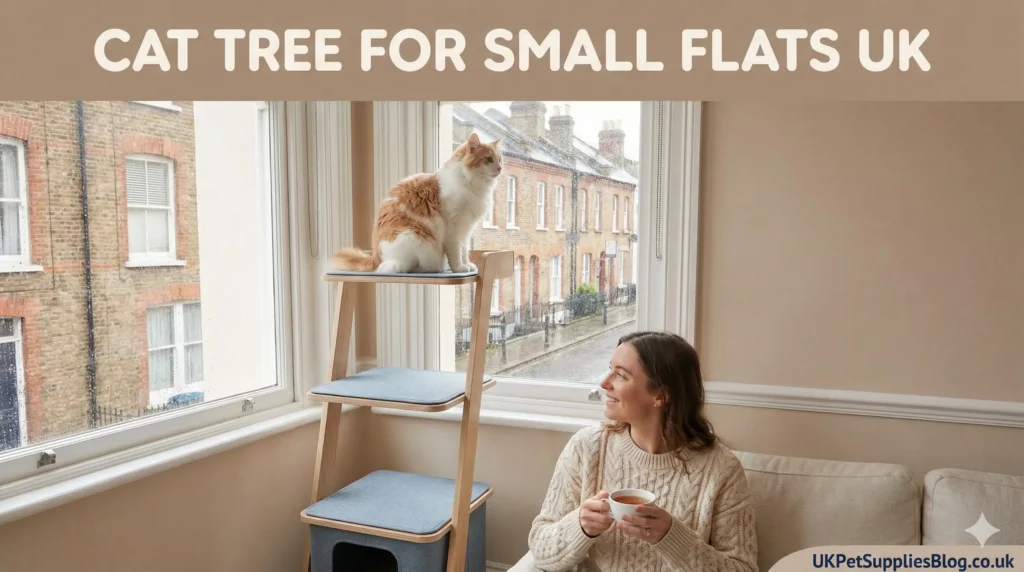

Living in a compact UK flat with a cat doesn’t mean sacrificing your feline friend’s wellbeing—or your living space. If you’ve ever wondered whether there’s room for a cat tree in your bijou apartment, the answer is a resounding yes. A cat tree for small flats UK isn’t just a luxury; it’s an investment in your cat’s physical health, mental stimulation, and contentment. Whether your moggy lives in a cosy London studio, a Manchester apartment, or a Bristol terrace, finding the right cat furniture can transform both their environment and your relationship with them.
The challenge is simple: cats need to climb, scratch, and observe their territory from above—it’s hardwired into their DNA. Yet many flat-dwellers assume traditional cat trees won’t work in their compact homes. The truth is, with smart design choices and clever placement, even the tiniest flat has room for a feline sanctuary. This guide walks you through everything you need to know about selecting, placing, and maintaining a cat tree that suits your space and your cat’s needs.
Why Your Cat Needs a Cat Tree in a Small Flat
Before diving into what to buy, it’s worth understanding why cat trees matter, even (or especially) in limited spaces.
Natural Climbing Instincts
Cats are born climbers. This isn’t just cute behaviour—it’s survival instinct. In nature, cats scale trees to hunt, escape predators, and find safe resting spots. Your indoor cat has the same urge, even if they’ve never seen a real tree. A cat tree satisfies this fundamental need safely within your four walls.
Mental and Physical Stimulation
An inactive indoor cat is a bored cat. Boredom leads to obesity, destructive behaviour, and even anxiety. A multi-level cat tree encourages jumping, climbing, and exploration—activities that keep your cat’s muscles toned and mind engaged. This is particularly important in flats, where outdoor space isn’t an option.
A Safe Vantage Point
Cats feel safest when they can observe their surroundings from above. This elevated perspective helps them feel secure and in control. In a busy flat—or one shared with dogs or young children—a cat tree becomes a vital refuge where your cat can retreat and survey the chaos below.
Protecting Your Furniture
A cat tree with integrated scratching posts redirects your cat’s natural scratching instincts away from your sofa, armchairs, and carpets. Quality sisal-wrapped posts satisfy their need to maintain their claws whilst keeping your furnishings intact. Many UK pet owners have discovered this the hard way—investing in a cat tree is far cheaper than reupholstering a settee.
Space-Saving Design Features to Look For
When flat hunting for the perfect cat tree, these features matter most.
Vertical Rather Than Horizontal
The golden rule for small spaces: go tall, not wide. Vertical cat trees maximise height while minimising floor footprint. A tall, slender tree takes up roughly the same amount of space as a standard lamp but offers your cat far more enrichment. Many quality models are under 60cm wide yet stretch to 150cm or taller.
Compact Bases
Look for trees with a small, sturdy base. A compact foundation means the tree won’t dominate your living room or bedroom. Brands like FEANDREA, available on Amazon UK, offer trees with bases as small as 50cm × 50cm that still feel stable when your cat leaps and bounds.
Corner-Fitting Designs
Corners are often wasted space in flats. A corner-designed cat tree fits snugly into unused nooks, making your room feel less cluttered. This placement also provides extra stability without requiring wall anchors.
Wall-Mounted Alternatives
If floor space is truly precious, wall-mounted cat shelves and perches are worth considering. These provide climbing routes and resting spots without claiming any floor real estate. Brands like Omlet and Petrebels (both available in the UK) offer stylish, modern options that blend into your decor rather than stand out as “cat furniture.”
Lightweight Yet Stable
Choose a tree that’s easy to move for cleaning but sturdy enough that your cat won’t send it wobbling with an enthusiastic jump. Quality materials—like the reinforced sisal posts and plush fabrics used by reputable UK brands—ensure durability without unnecessary weight.
Choosing the Right Size for Your Cat
Size matters, but not always in the way you’d think.
Measure Before You Buy
This is non-negotiable. Measure your available floor space and ceiling height. A vertical cat tree shouldn’t feel cramped in your room, but it also shouldn’t block pathways or windows. Most compact models range from 120cm to 180cm tall—perfect for standard UK flat ceilings (usually around 2.4m).
Consider Your Cat’s Size and Activity Level
A small, quiet cat may be perfectly content with a modest 100cm tree featuring two or three levels. An active, athletic cat (or multiple cats) will benefit from a taller structure with more platforms. Maine Coons and other large breeds need reinforced designs with wider platforms—brands like Feandrea offer “heavy cat” options rated for cats up to 15kg.
Room for Multiple Cats
If you have more than one cat, your tree needs sufficient platforms and hideaways so each cat has their own territory. Multi-cat dynamics improve when vertical space is plentiful; it reduces tension and territorial disputes. Look for trees with at least 4-5 distinct levels or perches.
The Best Cat Tree Options for Small UK Flats
Budget-Friendly Options (Under £40)
FEANDREA cat trees dominate this category. Available on Amazon UK and other retailers, these trees offer excellent value. A typical compact model includes two or three levels, sisal-wrapped scratching posts, and plush perches. Many customers report finding them on sale for £21–£30. They’re particularly popular among flat-dwellers because of their compact bases and reasonable height.
Mid-Range Options (£40–£100)
At this price point, you’ll find brands like Trixie, Natural Paradise, and Bitiba’s own-brand ranges. These often feature improved build quality, better materials, and more thoughtful design. Omlet’s Freestyle Cat Tree starts from £79.99 and offers genuine innovation: adjustable poles that fit any ceiling height, replaceable scratching surfaces, and a modern aesthetic that genuinely looks good in your flat.
Premium Options (£100+)
Petrebels cat trees, available in the UK, are handcrafted in the Netherlands with premium materials. Prices start around £300, but these aren’t impulse buys—they’re investments designed to last a cat’s lifetime. They prioritize aesthetics and durability equally, often doubling as stylish home furnishings.
Wall-Mounted Solutions
Cat Tree UK stocks an impressive range of wall-mounted options. Prices typically range from £30 for simple shelves to £200+ for multi-shelf systems. Wall mounting is ideal if you genuinely cannot spare floor space. Installation requires some DIY confidence (or a handy friend), but the payoff is dramatic: cats can traverse your walls like furry ninjas whilst your living room remains open and spacious.
Smart Placement Tips for Maximum Impact
Where you place your cat tree is as important as which tree you choose.
Near a Window
Cats adore window watching. Positioning your cat tree near a window gives your feline endless entertainment—birds, passing people, weather changes. This is particularly valuable in British flats where outdoor space is minimal. A window placement also means natural light for afternoon naps.
Corner Placement for Stability
Tucking your cat tree into a corner provides extra stability without feeling cramped. It also gives your cat a sense of security (cats like having walls behind them).
Away from High-Traffic Areas
Place the tree where your cat can observe family activities without being in the way. This prevents accidental knocks and keeps the tree from becoming a trip hazard.
Near Your Sitting Area
Cats are social creatures. A tree positioned near where you spend time allows your cat to be part of family life whilst maintaining their own space. They’ll happily observe you whilst you watch telly or work from home.
Multi-Functional Features Worth Considering
Modern cat trees do far more than provide climbing space.
Built-In Scratching Posts
Sisal rope wrapping is standard on quality trees. It’s durable, satisfies cats’ scratching urges, and outlasts carpet coverings. When sisal wears out, many premium brands (like Omlet) offer replaceable scratchers, extending the tree’s lifespan.
Hideaway Dens and Caves
Cats instinctively seek enclosed spaces for security. Trees featuring little “caves” or covered hideaways are particularly valued by nervous or shy cats. These cosy nooks become favourite spots for afternoon naps.
Hanging Toys and Balls
Integrated toys keep cats mentally stimulated without requiring you to buy separate accessories. However, ensure toys are securely attached and inspected regularly for wear.
Plush Hammocks
Suspended hammocks appeal to cats who like stretching out without perching on hard platforms. They’re particularly popular with older cats who appreciate softer resting spots.
Replaceable Components
The best cat trees feature modular designs where worn scratchers, cushions, or platforms can be replaced rather than discarded. This is both economical and environmentally responsible—essential for sustainability-conscious UK pet owners.
Setting Up and Introducing Your Cat Tree
A beautiful new cat tree means nothing if your cat ignores it. Here’s how to ensure adoption.
Assembly First
Follow instructions carefully. A wobbly, unstable tree will frighten your cat and waste your money. Most quality trees require 30–90 minutes of assembly. Budget time for this—rushing leads to mistakes.
Strategic Placement
Before assembly, position the tree where you’ve already decided it will live. Moving a fully assembled tree is far harder than moving components.
Scent Introduction
Place a familiar toy or cloth with your cat’s scent on the lower levels. This helps them associate the tree with familiar, safe spaces.
Positive Encouragement
Use treats, toys, or catnip to lure your cat onto the tree. Celebrate when they climb. Make it rewarding. Persistence pays off—some cats explore immediately; others take days or weeks.
Multiple Cats?
If you have several cats, start with the most confident. Others often follow once they see their feline housemate enjoying it.
Maintenance and Cleaning in a Compact Space
Keeping your cat tree clean is especially important in flats, where odours and allergens linger.
Weekly Light Clean
Use a lint roller or pet hair brush to remove excess fur from fabric surfaces. Vacuum around the base and any hard-to-reach crevices. This takes 10–15 minutes and prevents hair buildup.
Monthly Deep Clean
Remove cat hair with a pet brush, then use a vacuum with a handheld attachment. Wipe down sisal posts with a pet-safe disinfectant. If cushions are removable, wash them in cool water with mild detergent.
Spot Cleaning Accidents
Accidents happen. Blot urine immediately with a towel, spray with a 1:1 vinegar-and-water solution, then blot again. For stubborn odours, enzymatic pet cleaners (available at UK pet shops) work wonders.
Replacing Worn Scratchers
Quality sisal posts eventually fray. Rather than binning the entire tree, many manufacturers (particularly Omlet and Petrebels) sell replacement scratchers. Swapping them out takes minutes and extends your tree’s life years.
Seasonal Deep Clean
Every 3–6 months, if your tree permits, remove fabric cushions and wash them properly. Wipe down all hard surfaces with a pet-safe disinfectant. This prevents flea and parasite issues whilst keeping the tree fresh.
Common Concerns About Cat Trees in Small Flats
“Will it look ugly in my flat?”
Modern cat trees are increasingly designed with aesthetics in mind. Neutral tones—greys, beiges, creams—blend seamlessly into contemporary interiors. Brands like Omlet specifically design trees to complement decor rather than clash with it. Some people find them genuinely attractive additions to their living space.
“Is it really sturdy enough?”
Quality matters here. Budget brands might wobble; reputable manufacturers don’t. FEANDREA, Trixie, and Petrebels trees are engineered for stability. Read reviews specifically mentioning stability before buying, and ensure the tree is placed in a corner or against a wall for extra security.
“My cat might not use it.”
True. Some cats are indifferent to cat trees. However, most do eventually enjoy them, especially if you introduce them patiently. If your particular cat truly doesn’t care, wall shelves offer an alternative that takes virtually no space and appeals to cats’ climbing instincts differently.
“How do I move it for cleaning?”
Compact trees are designed for this. Most models disassemble partially, and even fully assembled trees can be moved by two people. If you have a particularly large model, move it carefully or disassemble slightly for cleaning access.
Conclusion
A cat tree for small flats UK isn’t a luxury—it’s an essential piece of cat furniture that enriches your feline friend’s life whilst enhancing your living space. Whether you opt for a compact vertical tower, a space-efficient wall-mounted system, or an innovative modular design like Omlet’s Freestyle, the key is matching the tree to your specific space, your cat’s personality, and your lifestyle.
The investment—whether £25 or £300—pays dividends in a happier, healthier, more active cat and a flat where furniture damage and behavioural issues are minimised. Your cat will love it. Your furniture will thank you. And your living space will feel more purposefully designed, not less.
Ready to transform your flat into a cat’s paradise? Start by measuring your space, identifying your budget, and exploring the excellent UK retailers mentioned throughout this guide. Your cat is waiting to reach new heights—literally.