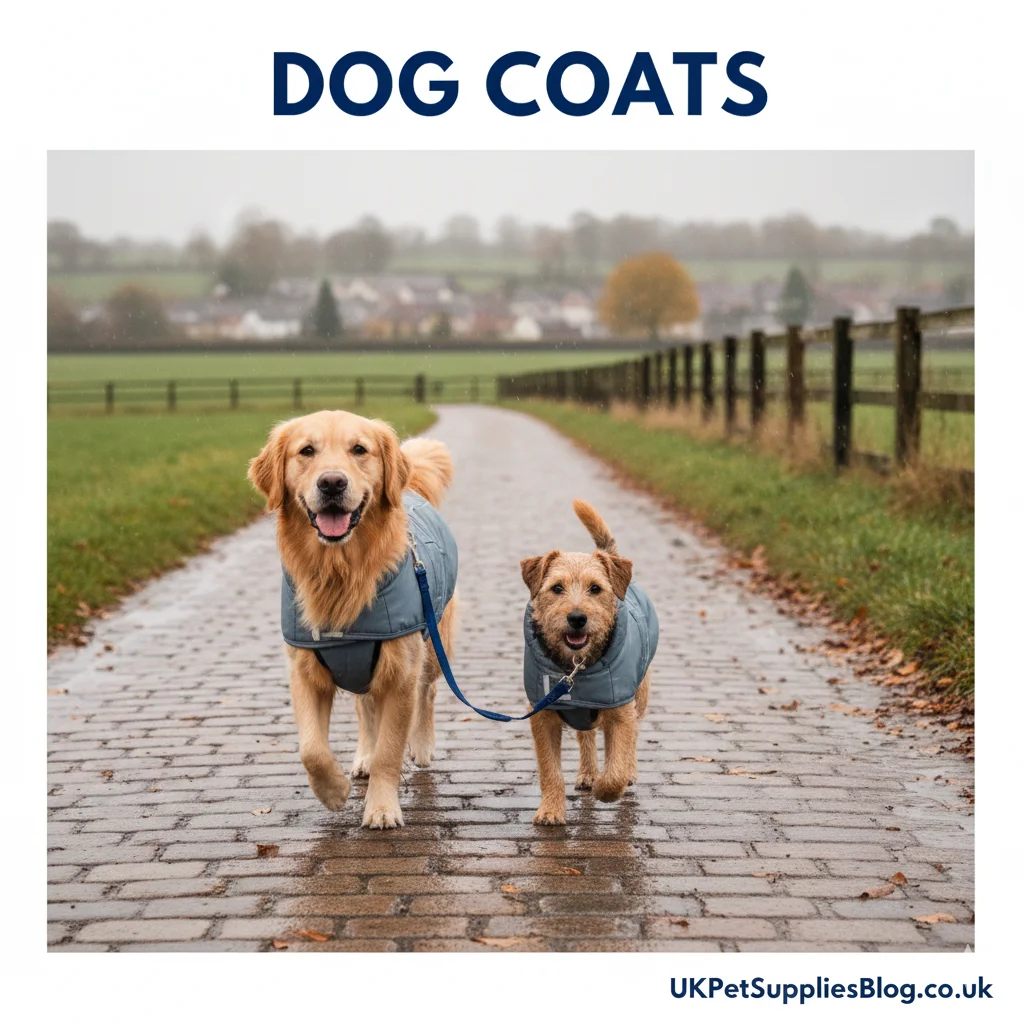

When winter hits the UK with cold winds, frosty mornings and endless rain, dog owners often ask one simple question: do dogs really need coats? Many breeds cope well with the change in temperature, but others struggle the moment the weather turns damp and chilly. Dog coats are no longer just a fashion accessory; they provide genuine health and comfort benefits. Whether you are searching for waterproof dog coats, fleece-lined coats, coats with harness attachments or something suitable for small dogs and dachshunds, understanding what to choose makes a huge difference to your pet’s wellbeing.
In this guide, we explore the best materials, fitting tips, insulation levels and when your dog genuinely needs to wear a coat in the UK climate. We also look at popular searches such as Barbour dog coats, waterproof dog coats with legs and coats suitable for sausage dogs.
Should Dogs Wear Coats in the UK?
Some dogs benefit noticeably from wearing a coat once the temperature drops. The UK’s damp, coldweather is far harsher than dry winter conditions elsewhere. Breeds such as Greyhounds, Whippets, Dachshunds and Chihuahuas have short coats and lean bodies, making them more sensitive to the cold. Older dogs with arthritis, dogs recovering from illness and those with weaker immune systems often find warmth comforting during outdoor walks.
Working breeds ordouble-coatedd dogs such as Huskies usually manage without insulation; howeve,r they still benefit from waterproof dog coats to reduce wet fur, mud and post-walk drying time.
Do Vets Recommend Dog Coats?
Veterinary professionals generally support the use of dog coats for short-haired breeds and vulnerable dogs, especially during wet winter months. While a healthy Labrador may not need extra insulation during mild conditions, an elderly or arthritic Labrador may appreciate it greatly. Vets advise paying closer attention to outdoor temperatures overnight as dogs can feel cold when sleeping in conservatories, kitchens or draughty areas.
At What Temperature Do Dogs Need a Coat?
There is a useful approach often referred to as the seven-second rule. If you step outside and find the cold uncomfortable within seconds, your dog is likely feeling it too. As a guideline:
• Under 10°C Short, short-haired, and small breeds may need a coat
• Under 5°C, Most dogs benefit from added protection
• Freezing conditions, Coat and paw protection become essential
Cold rain lowers the temperature impact further, which is why waterproof dog coats are popular throughout the UK.
Do Dogs Get Cold at Night?
Dogs can get cold at night, especially in houses where heating is switched off, or dogs sleep near doors and tiled floors. A light fleece dog coat is useful for indoor use and prevents stiffness in older pets.
Dogs sleeping in pods, outdoor kennels or uninsulated areas should always have thick bedding and wind protection.
What’s the Best Material for a Dog Coat?
When choosing dog coats, material is one of the most important factors.
Waterproof Dog Coats
Look for outer shells made from ripstop nylon or wax cotton. These materials block rain and wind. Many people search specifically for waterproof dog coats or rainproof dog coats because walking in the UK often involves muddy parks and sudden showers.
Fleece Dog Coats
Fleece dog coats are lightweight, comfortable and ideal for dry but chilly days. They can be layered under a rainproof outer coat for added insulation.
Fully Waterproof Dog Coats
Not all coats described as waterproof can withstand heavy rain. A fully waterproof dog coat should include sealed seams, storm flaps and water-resistant zips. Wax cotton Barbour dog coats and modern designs from brands like WeatherBeeta are designed for harsher conditions.
What Is a Dryrobe Dog Coat?
A Dryrobe dog coat is inspired by the well-known human Dryrobe used by surfers, wild swimmers and outdoor enthusiasts. These coats provide warm lining and a water-resistant shell, making them great for post-swim use or wet countryside walks.
Are Dog Coats With Legs Worth Buying?
Dog coats with legs offer extra protection for dogs with low bodies, such as Dachshunds or small terriers. They keep mud away from their underbody and prevent chills caused by wet fur. Waterproof dog coats with legs are particularly useful in winter when parks are wet for weeks.
Choosing Dog Coats for Dachshunds and Small Breeds
Sausage dog coats are specifically shaped for Dachshunds who need chest coverage without restricting movement. Standard jackets often ride up their backs. Coats for small dogs should be adjustable but secure enough to prevent slipping. Fleece-lined or harness-compatible coats are a practical choice for these breeds.
What Are the Best Coats for Dogs?
The best dog coats combine fit, protection and ease of use. Popular searches include Barbour dog coats and Joules dog coats due to their British style and durable materials.
Look for coats with:
• Quick-drying insulated lining
• Waterproof or windproof outer material
• Adjustable straps
• Harness hole or built-in harness
• Machine washable fabric
What Is the Best Thing for Improving My Dog’s Coat?
A healthy coat also depends on diet. Adding omega-rich foods such as salmon, sardines, or dog supplements improves skin and coat quality. Brushing regularly helps distribute oils and reduces shedding, which complements the benefits of dog coats worn outdoors.
Are Dog Coats Waterproof?
Many jackets offer water resistance rather than full waterproofing. If your dog enjoys long walks in heavy rain or you live near coastal areas exposed to wind and spray, choose coats described as fully waterproof with taped seams.
Can Jackets Be 100 per cent Waterproof?
Some jackets are tested to high waterproof ratings; however, constant abrasion or extended downpour eventually tests any material. The highest level of waterproof protection involves layered construction, sealed seams, and weather-tested fabrics commonly used in outdoor hiking gear.
How to Choose the Right Dog Coat Size and Fit
Measure your dog from the base of the neck to the base of the tail for length. Check chest measurements if your dog is broad or muscled. Coats that drag behind the tail or rest on the front legs cause discomfort and chafing.
Test comfort by allowing your dog to walk indoors and ensure the coat does not shift or restrict movement.
Do Dogs Benefit from Wearing a Coat?
Most UK-based dogs do benefit, especially when exposed to wet or freezing conditions regularly. Reduced shivering, less drying time and cleaner fur are noticeable advantages for owners. A good coat protects joints, prevents chills and keeps adventures enjoyable even in winter.
Conclusion: Choosing Dog Coats That Support Comfort and Protection
Dog coats provide warmth, comfort and protection against the UK’s cold and rainy seasons. Whether you need fleece dog coats for inside use, waterproof dog coats with legs for muddy parks or stylish Barbour dog coats for countryside walks, the right coat keeps your pet comfortable and ready to explore. If you want more helpful advice on caring for your pet, browse our other articles on nutrition, grooming and lifestyle.
Meta Description
Dog coats guide for UK pet owners covering waterproof, fleece and breed-specific designs with expert advice on choosing the best coat for your dog.