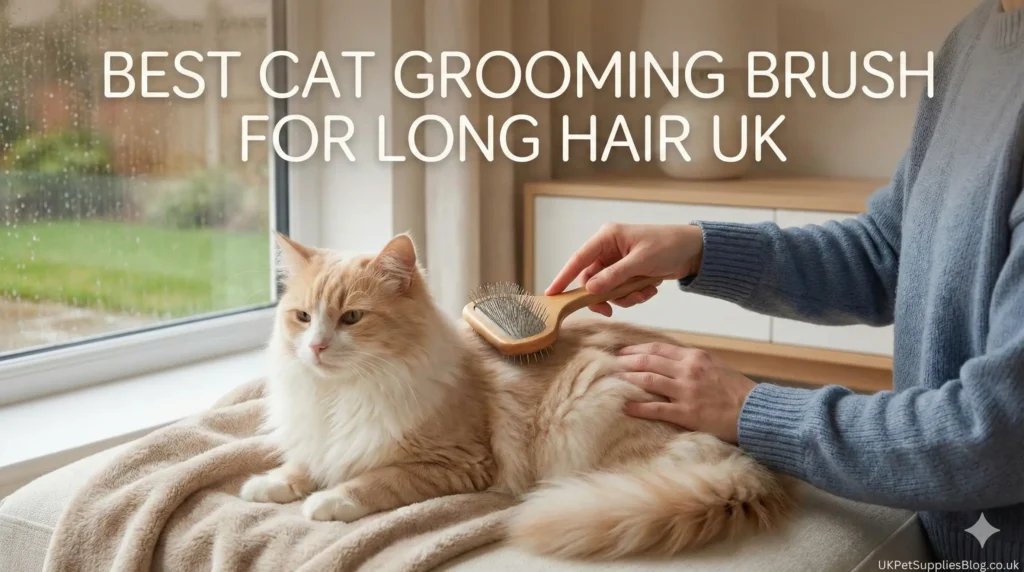

If you’re a British cat owner struggling with your long-haired moggy’s matted fur and endless fluff tumbling around your home, you’re not alone. Choosing the best cat grooming brush for long hair UK can feel overwhelming with so many options on our pet shop shelves. This guide cuts through the confusion to help you keep your Persian, Maine Coon or Ragdoll looking absolutely splendid.
Why Long-Haired Cats Need Regular Grooming
Long-haired cats are magnificent creatures, but their beautiful coats require proper care. Unlike their short-haired cousins who manage with weekly brushing, long-haired cats need daily grooming to prevent serious problems.
Without regular brushing, your cat’s fur can become tangled and matted. These mats aren’t just unsightly – they’re genuinely painful. Matted fur pulls on the skin underneath, creating sore patches and raw areas that can become infected. In severe cases, matted fur can even lead to fly strike, a dangerous condition requiring immediate veterinary attention.
Regular grooming also reduces hairballs dramatically. When cats groom themselves, they swallow loose hair. For long-haired breeds like Persians who struggle to groom effectively due to their flat faces, this problem is even worse. A proper brush removes this loose hair before your cat can ingest it.
Understanding Different Types of Cat Brushes
Slicker Brushes
Slicker brushes feature closely packed metal pins with a flat or slightly curved base. They’re brilliant for removing loose topcoat hair, working through small tangles, and keeping the undercoat tangle-free. The Safari Self-Cleaning Slicker Brush is particularly popular among UK cat owners, with its 288 stainless steel pins and retractable design.
For long-haired cats, slicker brushes work wonderfully for light daily maintenance and catching pin knots before they become serious mats. The flexible pins massage your cat’s skin whilst following their natural contours.
Pin Brushes
Pin brushes have metal bristles with protective rubber bobbles on the ends. They’re ideal for grooming medium and longer length hair, especially the shorter fur on legs and tails. The bobbles stimulate natural oil production in your cat’s skin, keeping their coat beautifully conditioned.
These brushes are gentler than slickers and perfect for finishing touches, though they may not reach the entire undercoat of particularly fluffy cats.
Wide-Toothed Combs
Every long-haired cat owner needs a wide-toothed metal comb. The RSPCA recommends using these to work through your cat’s coat in the direction of hair growth, paying special attention to problem areas like behind the ears, under the arms, and around the belly.
Combs are essential for teasing out knots gently before they develop into proper mats. The Mikki Anti-Tangle Comb is specifically designed for long-haired cats and available throughout UK pet shops.
Deshedding Tools
The FURminator is perhaps the most famous deshedding tool, claiming to reduce shedding by up to 90%. It features a stainless-steel edge designed to reach deep into the undercoat without damaging the topcoat or cutting skin.
Available at Pets at Home and other UK retailers, the FURminator comes in different sizes for long-haired cats. Reviews are mixed – many UK cat owners swear by it, whilst others find it too aggressive for daily use.
Top Picks for the Best Cat Grooming Brush for Long Hair UK
Budget-Friendly Options
If you’re watching your pennies, several affordable brushes work brilliantly for long-haired cats. Tesco’s Good Girl Cat Brush costs just £3.50 and removes loose hair, knots and tangles effectively. Asda’s Pampered Paws range offers slicker brushes and double-sided brushes from £3.50.
Wilko stocks the Mikki Ball Pin Slicker for around £4.49 – excellent value for a reliable grooming tool. These budget options prove you needn’t spend a fortune to keep your long-haired cat looking gorgeous.
Mid-Range Choices
The Tangle Teezer Pet Cat Grooming Brush (£8.80-£11) has become increasingly popular among British cat owners. Its unique two-tiered teeth technology gently detangles with longer teeth whilst shorter teeth remove loose hairs and smooth the coat. The paw-shaped design makes it easy to grip, and it’s available at John Lewis, Boots, Next and Pets at Home.
The Pet+Me silicone brush (£12.25-£13.00) offers a revolutionary approach. Made from 100% silicone, it’s machine washable with a lifetime guarantee. It’s particularly effective for nervous cats as the soft material is extremely gentle.
Premium Investment
For serious grooming, the FURminator DeShedding Tool for long-haired cats costs around £17-£21 depending on size. Available at Pets at Home, Amazon UK and Tesco Marketplace, it’s a professional-quality tool that reaches deep into the undercoat.
The Chris Christensen Big G Slicker Brushes feature extra-long 27mm pins with 30% more pins than standard brushes, making them ideal for dense long-haired coats. Whilst pricier, professional groomers across the UK swear by these tools.
How Often Should You Groom Your Long-Haired Cat?
Semi-long-haired cats like Ragdolls need grooming at least twice weekly. Long-haired breeds including Persians and Himalayans require daily brushing to prevent knots forming.
Keep sessions brief – 5 to 10 minutes is usually plenty. If your cat becomes agitated, pause and try again later. It’s better to groom daily for short periods than attempt marathon sessions that stress your cat.
During spring and autumn, when cats shed their seasonal coats, you may need to increase grooming frequency. Long-haired cats naturally shed more during these periods as they exchange their winter coat for a lighter summer one, and vice versa.
Special Considerations for Popular UK Breeds
Persian Cats
Persians have the longest, most luxurious coats of any breed, requiring daily grooming without exception. Their flat faces mean they struggle to groom themselves effectively, making them prone to matting and increased flea burdens.
Use a wide-toothed metal comb first, then a soft slicker brush to fluff the coat. Pay particular attention to their underarms, belly, and the area around their hindquarters.
Maine Coons
These gentle giants have thick, water-resistant coats with a dense undercoat. They’re particularly prone to matting around the belly, under the legs, and behind the ears. Regular professional grooming sessions every few months can supplement your home care routine.
Ragdolls
Ragdolls have medium-length fur with a single coat and no undercoat, making them slightly easier to maintain than Persians. Wide-tooth combs and brushes work best, with home grooming sessions at least twice weekly. Many benefit from professional hygiene clips around their backend.
Preventing Mats and Tangles
Prevention is always better than cure when it comes to matted fur. Here’s how to stay ahead of the problem:
Brush regularly: Daily brushing for long-haired breeds removes loose fur before it tangles.
Focus on problem areas: Pay extra attention to the belly, underarms, behind the ears, and around the tail base where friction causes most matting.
Use the right tools: Start with a wide-toothed comb, then follow with a slicker brush or pin brush.
Work gently: Never pull hard on tangles. Tease them apart slowly with your fingers first, working from root to tip.
If you do discover mats, address them immediately before they worsen. Small mats can often be carefully worked out with a dematting tool or comb. Severe matting requires professional attention – attempting to cut out mats yourself risks injuring your cat’s delicate skin.
Tips for Successful Grooming Sessions
Choose the right time: Groom your cat when they’re calm and relaxed, perhaps after a nap or meal. Avoid grooming when they’re playful or full of energy.
Create a routine: Cats are creatures of habit. Grooming at the same time each day helps them accept it as normal.
Start slowly: If your cat isn’t used to being groomed, introduce it gradually. Let them sniff the brush first, then give treats and praise.
Brush in the direction of hair growth: This feels more natural for your cat and prevents discomfort.
Watch for stress signals: If your cat twitches, swishes their tail, growls or hisses, end the session. Keep things positive so grooming becomes an enjoyable bonding experience.
Winter Grooming Considerations
British weather affects your cat’s coat throughout the year. During autumn, cats shed their summer coat for a thicker winter one. Regular brushing two to three times weekly (daily for long-haired cats) helps remove loose fur and prevents knots.
If your cat gets caught in the rain, always dry them thoroughly with a towel. Warm, damp fur creates a perfect breeding ground for bacteria and infection.
Common Grooming Mistakes to Avoid
Using human grooming tools: Never use tools designed for human hair on your cat. Pet-specific brushes are designed for their coat type and delicate skin.
Brushing too hard: Vigorous brushing can cause hair breakage in long-haired cats. Use gentle, controlled strokes.
Neglecting regular sessions: Waiting until your cat is visibly matted makes grooming painful and stressful. Establish a routine from the start.
Attempting to cut mats with scissors: Cat skin is extremely thin and easily cut. Always use proper dematting tools or seek professional help for severe mats.
Where to Buy in the UK
You’ll find excellent cat grooming brushes throughout the UK:
Pets at Home: Stocks FURminator tools, Ancol brushes, Pet Teezer, and their own range.
Online retailers: Amazon UK, Zooplus, and specialist sites like DomoPets offer extensive ranges with customer reviews.
Supermarkets: Tesco, Asda and Wilko carry budget-friendly options perfect for regular grooming.
High street shops: Boots, John Lewis and Next stock Tangle Teezer’s pet range.
When choosing the best cat grooming brush for long hair UK, consider your cat’s specific coat type, temperament, and your budget. A combination of tools – typically a wide-toothed comb, slicker brush, and possibly a deshedding tool – gives you everything needed to keep your long-haired moggy looking magnificent whilst preventing painful mats and reducing those endless tumbleweeds of fluff around your home.
Regular grooming isn’t just about appearance. It’s essential healthcare that prevents painful matting, reduces hairballs, allows early detection of health issues, and strengthens the precious bond between you and your feline friend. With the right brush and a gentle routine, grooming becomes a relaxing experience you’ll both enjoy.