
Bringing home a new cat can feel overwhelming if you’re not sure what supplies you actually need. You might find yourself standing in a pet shop, basket in hand, wondering whether that fancy cat tree is worth the splurge or if a simple cardboard box will do just fine. The truth is, getting the right cat supply essentials sorted from the start makes cat ownership immeasurably easier—and far less stressful for your new feline friend. Whether you’re adopting your first kitten from a rescue centre or welcoming an adult cat, having the fundamentals in place before they arrive home is crucial. This guide covers everything you need to know about cat supplies in the UK, from budget-friendly options to premium picks, helping you create a happy home for your furry companion.
Essential Cat Supplies Every Owner Needs
Litter Boxes and Litter
One of the most important cat supplies you’ll purchase is a litter tray. Most cat experts recommend having at least one litter box per cat, plus one extra—so if you have one cat, two trays is ideal. This gives your cat options and helps prevent stress-related behavioural issues. Litter trays come in various styles: traditional open boxes, hooded designs for privacy, and even automated self-cleaning models. The PDSA recommends placing litter trays away from your cat’s food and water bowls, in quiet, easily accessible areas. For kittens, pellet litter often works best, whilst adult cats typically prefer fine-grain clumping varieties. You’ll find a wide range of litter options at UK pet retailers including Pets at Home, Jollyes, and online retailers like Zooplus and Bitiba. Popular choices include silica gel, clay-based, and biodegradable options. Always start with whatever litter your cat was using previously—you can gradually switch brands over time if needed.
Food and Water Bowls
Your cat needs dedicated bowls for food and water, and many vets recommend ceramic or stainless steel rather than plastic. Plastic can harbour bacteria and may cause allergic reactions in sensitive cats. Choose bowls that are wide enough that your cat’s whiskers don’t touch the sides—cats are sensitive about this. Some cats prefer elevated feeders, which can be easier on their neck and digestion. Keep water bowls separate from food bowls, and refill them daily with fresh water. Cats have a naturally low thirst drive, so consider a cat water fountain to encourage them to drink more, which is particularly beneficial for their urinary health.
Bed and Sleeping Space
Cats spend around 16 hours a day sleeping, so a comfortable bed is essential. Cats love having multiple resting spots throughout your home—perhaps a cosy bed in a quiet corner, a window perch for bird watching, or a radiator hammock for warmth during winter months. You don’t need to spend a fortune here; many cats are equally happy in a cardboard box or a simple blanket-lined basket. The key is providing a safe, warm, and quiet space where they feel secure. Popular UK brands like Omlet offer stylish designs that blend seamlessly with modern homes, whilst budget options are available at every major pet store.
Scratching Posts and Pads
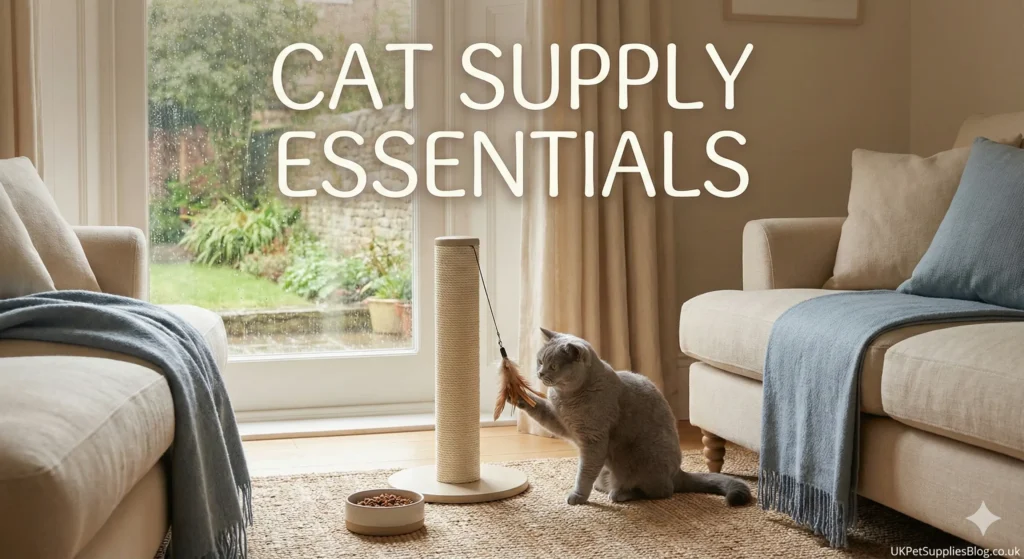
If you value your furniture, scratching posts are non-negotiable. Scratching is a natural behaviour that helps cats shed the outer layers of their claws, mark territory, and stretch their muscles. Providing appropriate outlets prevents them from targeting your sofa or carpet. Scratching posts should be taller than your cat when standing on hind legs, sturdy enough not to wobble, and placed in prominent, easily accessible areas. Different cats prefer different materials—some like sisal rope, others prefer cardboard, and some love wood or carpet. The rougher and more worn a scratching post becomes, the more your cat will love it. Many UK pet shops stock cat trees and scratching furniture from budget-friendly cardboard scratchers to elaborate multi-level structures.
Quality Cat Food
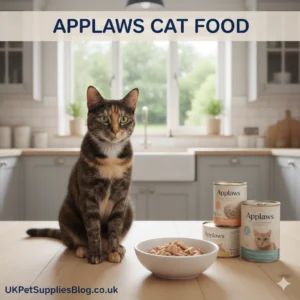
Cat nutrition is fundamental to your cat’s health and longevity. The choice between wet and dry food depends on your cat’s needs and preferences. Wet food contains more moisture, which benefits cats with low thirst drives, whilst dry kibble is more economical and convenient. Many cat owners use a combination of both. According to veterinary sources, cats are obligate carnivores and need diets rich in protein. Popular UK cat food brands include Royal Canin, Hills Science Plan, Purina, James Wellbeloved, and Harrington’s. Budget-conscious owners often choose Whiskas or Purina Gourmet Gold, whilst those seeking premium options might opt for Applaws or Lily’s Kitchen. Wet food typically costs between £0.40 and £1.00 per serving depending on the brand, whilst dry food ranges from around £15 to £60 per bag.
Toys and Enrichment
Cats need mental stimulation to stay happy and healthy. Invest in an assortment of toys including balls, feathered wand toys, laser pointers, and interactive puzzle feeders. Rotate toys regularly to maintain interest. Many UK cat owners find that simple items like ping-pong balls or paper bags are just as entertaining as expensive toys. Interactive play with your cat for at least 15 minutes daily keeps them physically fit and strengthens your bond.
Carriers
A secure cat carrier is essential for trips to the vet or travelling. The PDSA recommends hard-shell carriers with top-opening doors, as these are easier for handling nervous cats. Soft carriers are portable but less sturdy. Train your cat to accept the carrier by leaving it out with familiar bedding inside, so it becomes a positive space rather than something fearful.
Grooming Supplies
Keep your cat’s coat healthy and reduce shedding with regular grooming. Essential grooming supplies include a brush, comb, and cat-specific nail trimmers. Longhaired cats need daily brushing to prevent matting, whilst shorthaired cats benefit from weekly grooming. Most UK vets can recommend products suitable for your cat’s coat type.
Where to Buy Cat Supplies in the UK
You have multiple options for purchasing cat supply items. High street stores like Pets at Home and Jollyes offer convenience and the ability to see products before buying. Online retailers including Zooplus, Bitiba, The Pet Express, and Petplanet often provide competitive pricing and frequent promotions. Many also offer subscription services for regular items like food and litter, which can save money and ensure you never run out. Supermarkets like Sainsbury’s and Tesco stock basic cat supplies including food, treats, and litter, though the range is more limited than specialist retailers.
Budget Considerations for Cat Supplies
Setting up your home for a new cat requires an initial investment, but understanding costs helps with budgeting. Basic essentials—litter tray, bowls, bed, toys, and initial food supply—typically cost between £50 and £150. Adding a scratching post, carrier, and grooming supplies brings you to £100-£250. Ongoing monthly costs for food, litter, and treats average £30-£80 depending on your choices. Premium or specialist diets may cost more. Many UK vets recommend setting aside a monthly budget for unexpected health expenses as well. Looking for savings? Subscribe to autoship programmes with retailers like Zooplus to unlock discounts, or watch for seasonal promotions around Christmas and Easter when pet stores often discount supplies significantly.
Preparing Before Your Cat Arrives Home
Before bringing your cat home, prepare a quiet room—perhaps a spare bedroom or study—with all essentials: litter tray, food and water bowls, bed, toys, and a scratching post. This safe space allows your new cat to adjust gradually before exploring the rest of your home. Have cleaning supplies on hand for accidents, and cat-proof your space by securing loose wires, removing toxic plants, and ensuring windows and doors are secure. If you have a garden, consider whether your cat will be indoors only or have outdoor access—this affects which supplies you’ll need and your cat’s long-term care requirements.
Common Mistakes to Avoid When Buying Cat Supplies
Don’t assume expensive means better. Many budget cat foods are nutritionally adequate, though premium brands sometimes offer superior ingredient quality. Some expensive cat furniture goes unused—many cats genuinely prefer boxes or simple scratchers over elaborate multi-level trees. Avoid harsh chemical cleaners around cat areas; cats are sensitive to strong scents. Never assume your cat will use a particular type of litter box or bed without observing their preferences first. Keep receipts so you can return items your cat refuses to use.
Checking Quality and Safety
When selecting cat supply items, prioritise safety. Choose litter without strong perfumes or chemicals that can irritate respiratory systems. Food bowls should be non-toxic and free from cracks. Toys should have no small parts that could be swallowed. Always check that carriers are secure and properly ventilated. Read reviews on UK pet websites and forums like Reddit’s r/CatAdvice, where UK cat owners share honest feedback about products they’ve tried.
Conclusion
Getting cat supplies right sets your feline friend up for happiness and health. Whether you’re shopping at Pets at Home, ordering from Zooplus, or mixing budget and premium options, what matters most is meeting your cat’s fundamental needs: a safe space, nutritious food, clean litter facilities, enrichment, and your affection. Don’t overthink it—start with the essentials and add to your cat supply collection as you learn what your individual cat loves. Most importantly, remember that cats value your time and attention far more than fancy gadgets. If you’re a first-time cat owner feeling uncertain, chatting with staff at your local pet shop or asking your vet for recommendations takes the guesswork out of choosing the right supplies for your new companion. Here’s to happy cat ownership!